
A wine cellar is much more than a storage room — it’s a carefully engineered environment designed to protect and enhance your wine collection over time. While design and aesthetics often take center stage, the true success of a wine cellar depends on the materials behind the walls.
From insulation to racking, every material plays a role in maintaining stable temperature, proper humidity, and long-term performance. Here’s a breakdown of the essential materials needed to build a wine cellar the right way.
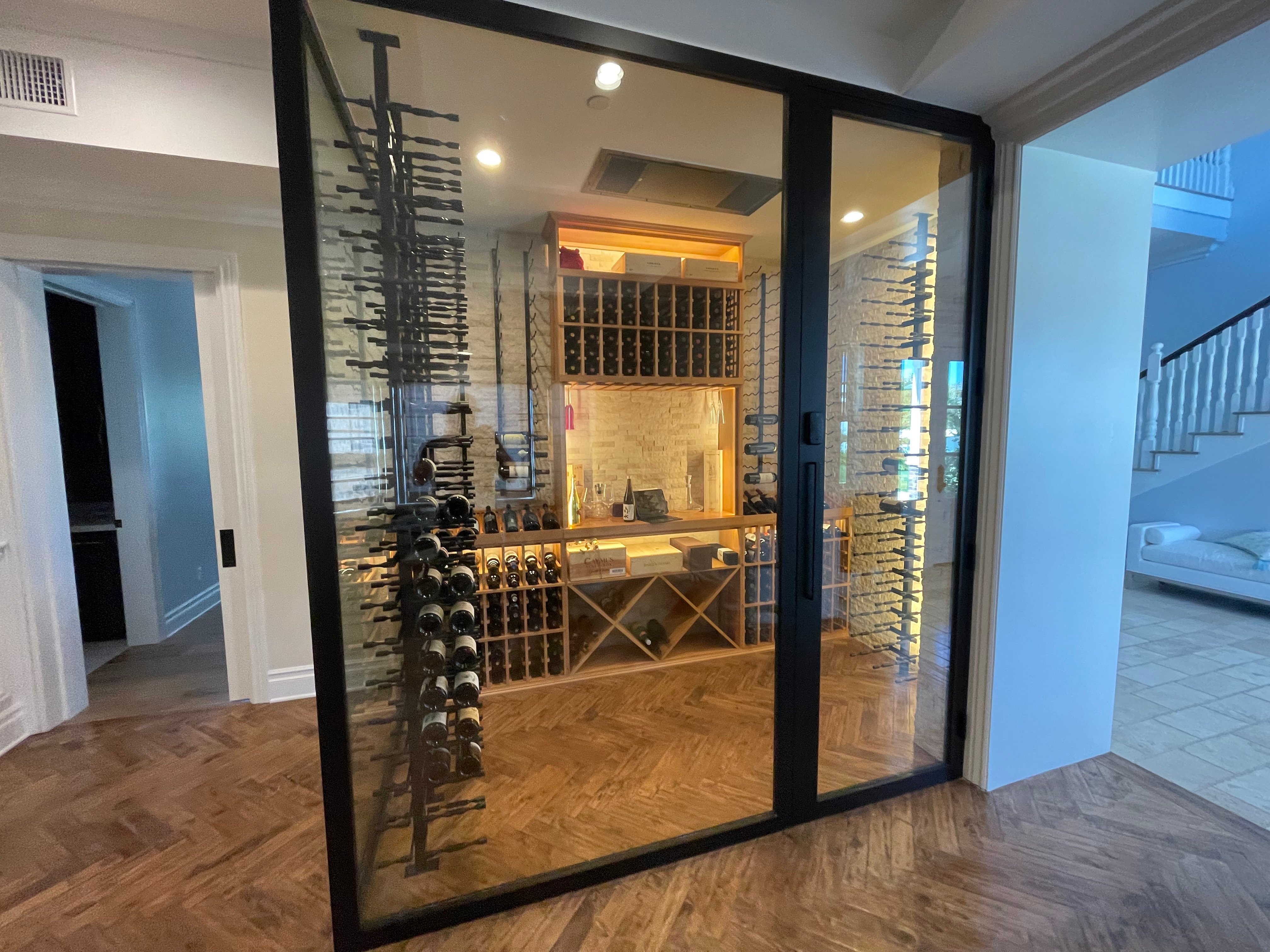
1. Insulation: The Foundation of Climate Control
Insulation is one of the most critical components of any wine cellar. Without it, even the best cooling system will struggle to maintain consistent conditions.
Best options include:
-
Closed-cell spray foam (ideal for superior insulation and moisture resistance)
-
Rigid foam board insulation (a reliable alternative when spray foam isn’t possible)
Recommended insulation value:
-
R-19 to R-30 for walls
-
R-30 or higher for ceilings
Proper insulation reduces energy use, prevents temperature swings, and protects your cooling system from overworking — especially important in warm, coastal climates like Newport Beach.
2. Vapor Barrier: Protecting Against Moisture
A wine cellar is a cool space surrounded by warmer air, which creates the potential for condensation. A vapor barrier prevents moisture from penetrating walls and causing mold, rot, or insulation failure.
Key requirements:
-
Installed on the warm side of the wall
-
Continuous across all walls, ceilings, and around penetrations
-
Properly sealed at seams and edges
This hidden layer is essential for long-term durability and healthy humidity levels.
3. Cooling System: Precision Temperature & Humidity Control
Your wine cellar cooling unit is the engine that keeps your collection safe. These systems are specifically designed to maintain:
-
Temperature: ~55°F
-
Humidity: 60–70%
Common system types include:
-
Self-contained units (ideal for smaller cellars)
-
Ducted or split systems (best for larger or glass-enclosed wine rooms)
Choosing the right system depends on room size, insulation, glass usage, and desired noise level.
4. Wine Cellar Door: Sealed and Insulated
The cellar door is one of the most overlooked — and most important — components.
Ideal door features:
-
Tight, airtight seal
-
Insulated core or double-paned glass
-
UV-protective glass (if using a glass door)
-
Proper weather stripping
A poorly sealed door allows warm air and humidity to enter, undermining the entire system.
5. Flooring: Durable and Moisture-Resistant
Wine cellar flooring must handle cool temperatures, humidity, and long-term durability.
Recommended materials include:
-
Stone or porcelain tile
-
Sealed concrete
-
Engineered wood (with moisture resistance)
Avoid traditional hardwoods or carpet, which can warp, mold, or retain odors.
6. Wall & Ceiling Finishes: Functional and Beautiful
Once insulation and vapor barriers are in place, finishes complete the cellar’s look while supporting climate control.
Popular choices:
-
Moisture-resistant drywall
-
Wood paneling (sealed properly)
-
Stone or tile accent walls
All finishes should be compatible with cooler temperatures and moderate humidity.
7. Wine Racking Systems: Storage Meets Design
Wine racking is both a functional necessity and a design feature.
Common options include:
-
Wood racks for a classic cellar feel
-
Metal or acrylic racks for modern, label-forward display
-
Custom racking for maximum capacity and tailored aesthetics
Racking should allow bottles to rest horizontally to keep corks moist and secure.
8. Lighting: Safe, Cool, and Strategic
Lighting enhances your cellar without compromising wine quality.
Best practices include:
-
LED lighting only (low heat, no UV)
-
Recessed or concealed fixtures
-
Dimmers or motion sensors to limit exposure
Lighting should highlight bottles and architectural features without increasing heat load.
9. Electrical & Monitoring Systems
A well-built cellar includes proper electrical infrastructure to support:
-
Cooling systems
-
Lighting
-
Smart temperature and humidity sensors
Monitoring systems allow you to track conditions remotely and respond quickly if something shifts out of range.
10. Glass (Optional but Popular)
For showpiece wine cellars, glass is increasingly common.
If using glass:
-
Choose insulated, UV-protective panels
-
Ensure proper framing and sealing
-
Account for increased cooling requirements
Glass adds visual impact but must be engineered correctly to maintain performance.
Final Thoughts
Building a wine cellar is about precision, not shortcuts. The right materials — installed correctly — create an environment where your wine can age gracefully and your space can perform reliably for decades.